Source X Ray Imaging ICU Bed for Hospital, ICU, and Clinic
Source the x ray imaging icu bed from 30 verified listings. Compare electric models with metal frames, cold-rolled steel construction, and central brakes. Evaluate specifications like 2250mm length, 350kg load capacity, and CE ISO certifications for hospital wards and ICU areas.
Key considerations
Products List




Comprehensive Sourcing Guide
X Ray Imaging ICU Bed Sourcing Guide
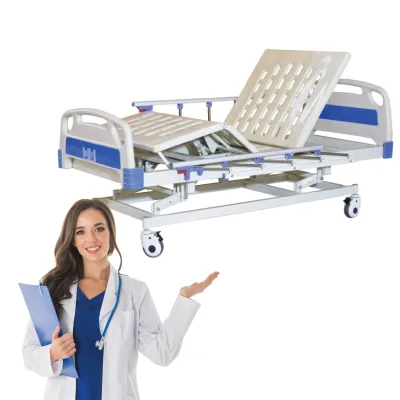
Procuring an X-ray imaging ICU bed requires distinguishing between standard nursing beds and specialized units designed for radiological compatibility. The observed market includes electric beds with specific dimensions like 2250mm in length, which must accommodate both patient care and imaging equipment. Buyers must verify if the bedboard material is transparent to X-rays, a critical feature for avoiding image obstruction during critical diagnostics.
The sourcing landscape presents a wide price range from $10 to $26,000, reflecting significant variations in functionality and build quality. While some listings offer basic five-function electric beds, others provide advanced features like longitudinal sliding and kidney bridge elevation. It is essential to match the specific clinical need, such as ICU or ward areas, with the correct product type to ensure operational efficiency and patient safety.
Product Scope and Observed Listing Signals
Buyers should first identify the specific product type, as the market lists both general medical patient nursing beds and specialized electric operation tables. The observed data indicates a mix of models, including those with a "Five-function" capability and others designed for gynaecology or specific hospital room applications. Understanding whether the unit is an ICU bed or an operating table is the first step in narrowing the search to relevant inventory.
Visual and functional attributes like color, folding status, and packing type also serve as key signals for product identification. Listings show options in blue or green with either folded or unfolded configurations, packed in standard cartons or wooden cases. These physical characteristics help verify that the supplier is offering the exact configuration required for the intended hospital environment, ensuring the bed fits the physical constraints of the facility.
Technical Specifications to Verify
Dimensional accuracy is paramount when selecting a bed for an ICU setting, as the unit must fit within specific room layouts while supporting patient mobility. The observed specifications include lengths around 2250mm and widths near 1040mm, with height adjustments ranging from 490mm to 790mm. Buyers must confirm that the listed dimensions match the physical space available and that the height range allows for proper patient transfer and nursing access.
Functional capabilities such as power requirements, load capacity, and specific mechanical adjustments must be rigorously checked against clinical needs. Some units operate on 220V, 50Hz power with a 1.0kw rating and support a load capacity of 350kg, while others feature longitudinal sliding of 310mm or kidney bridge elevation of 120mm. Verifying these exact mechanical parameters ensures the bed can handle the specific patient demographics and procedural demands of the facility.
Compliance and Safety Documentation
Regulatory compliance is a non-negotiable aspect of sourcing medical equipment, particularly for devices used in critical care environments. The observed listings frequently cite certifications such as FDA, ISO, and CE, which are essential for market entry and legal operation. Buyers must request valid certificates for each specific model to ensure the product meets the safety and quality standards required by local health authorities and hospital accreditation bodies.
Beyond general certifications, specific safety features like central brakes and X-ray cassette sleeves must be documented and verified. The presence of a central brake system is critical for preventing unintended movement during patient care, while X-ray compatibility requires specific material transparency and sleeve integration. Ensuring these safety mechanisms are certified and functional protects both the patient and the medical staff from potential operational hazards.
Cost Drivers and Commercial Terms
The final cost of an X-ray imaging ICU bed is heavily influenced by the complexity of its mechanical functions and the materials used in construction. Units featuring electric adjustments, specialized materials like cold-rolled steel and HDPE, and advanced imaging compatibility command higher price points compared to manual or basic electric models. Buyers should analyze the price range of $10 to $26,000 to understand the correlation between feature sets and overall investment costs.
Commercial terms such as Minimum Order Quantity (MOQ) and warranty periods significantly impact the total cost of ownership and procurement strategy. Observed MOQs vary from 1 to 20 pieces, with some suppliers requiring a batch of 10 units, while warranty terms range from one year to lifetime coverage. Understanding these terms helps buyers negotiate better value, manage inventory risks, and plan for long-term maintenance expenses effectively.
Supplier Qualification and Quality Control
Supplier qualification involves verifying the origin and manufacturing capabilities of the provider to ensure consistent product quality. The observed data indicates origins in various Chinese regions, including Beijing, Hebei, and Guangdong Guangzhou, each with different industrial capabilities. Buyers should assess the supplier's location and production history to gauge their ability to meet specific customization requests and maintain consistent quality standards.
Quality control processes must be validated through the supplier's adherence to international standards and their internal testing protocols. While some background knowledge suggests standards like ISO 13485, buyers must confirm the supplier's actual compliance with these norms through direct documentation. Establishing a robust quality control framework ensures that every unit delivered meets the rigorous demands of hospital environments and maintains reliability over time.
Long-Term Procurement Checks
Sustainable procurement requires a focus on long-term support, including spare parts availability and technical service networks. Buyers should verify that the supplier offers a clear warranty policy, such as the observed one-year or lifetime options, and has a plan for handling repairs or component replacements. A reliable after-sales support system is crucial for minimizing downtime in critical care units where equipment failure can have severe consequences.
Regular performance audits and maintenance schedules should be integrated into the procurement strategy to extend the lifespan of the equipment. The observed specifications, such as the bed extension adjustment and X-ray cassette sleeves, require periodic inspection to ensure they remain functional and safe. Establishing a proactive maintenance plan based on the manufacturer's guidelines ensures the bed continues to operate at peak performance throughout its intended service life.
FAQs
What certifications do x ray imaging icu beds typically have?
These beds typically hold FDA and ISO CE certifications to ensure compliance with international medical device standards. The listed products also display CE and ISO marks, confirming their suitability for hospital environments. Buyers should verify specific regulatory documentation with suppliers to ensure alignment with local healthcare regulations and safety requirements.
Can x ray imaging icu beds be customized for specific hospital needs?
Yes, customization is available for these medical beds to meet specific hospital requirements. Manufacturers offer options for color, such as blue or green, and can adjust packing methods to standard cartons or wooden cases. This flexibility allows healthcare facilities to tailor equipment to their interior design and logistical preferences effectively.
What is the standard dimension for an electric medical patient nursing bed?
Standard dimensions for these beds often range around 2250mm in length, 1040mm in width, and a height adjustable between 490mm and 790mm. Some models specify a standard size of 2140mm by 1000mm with a variable height. These measurements ensure adequate space for patient care and compatibility with standard hospital room layouts.
Which materials are used to construct x ray compatible hospital beds?
Construction typically utilizes cold-rolled steel and HDPE for durability and hygiene. The bedboard material is often transparent to X-rays, facilitating seamless imaging procedures without removing the patient. This combination of metal frames and radiolucent surfaces supports both structural integrity and diagnostic efficiency in ICU and ward settings.
What is the typical MOQ for sourcing electric medical beds?
The typical minimum order quantity is 10 pieces, though some suppliers may accept orders as low as 1 unit. This range allows hospitals to test equipment or purchase smaller batches for specific wards. Buyers should confirm MOQ details with manufacturers, as policies can vary based on customization requirements and shipping logistics.
How does the warranty coverage work for medical nursing beds?
Warranty periods vary, with some products offering a 1-year standard warranty and others providing lifetime coverage. This difference highlights the importance of reviewing specific supplier terms before purchase. Buyers should clarify warranty scope, including parts and labor, to ensure long-term support for critical ICU equipment and minimize downtime.